
Buy Ivermectin Online UK – Fast Delivery & Trusted Source
- ✔ UK Delivery
- ✔ 3 mg, 6mg & 12mg Strength Available
- ✔ Secure Payment
- ✔ No Membership Needed
- ✔ Trusted Supplier
What Are Ivermectin Tablets and What Are They Used For?
Ivermectin tablets contain ivermectin, an antiparasitic medicine used in certain cases to treat specific parasitic infections. They are prescribed where a suitable prescriber considers this treatment appropriate for the patient and the condition being managed.
This medicine works by acting against particular parasites in the body. In UK patient information, ivermectin tablets are described as being used for conditions such as intestinal strongyloidiasis, human scabies, and, in some cases, microfilaraemia associated with lymphatic filariasis. The exact treatment approach can vary depending on the patient’s needs, the condition being treated, and the professional advice provided. Ivermectin tablets may be used for:
Human scabies – a skin infestation caused by mites
Intestinal strongyloidiasis – a parasitic infection affecting the gut
Microfilaraemia linked to lymphatic filariasis – included in some product information
As with any prescription medicine, ivermectin tablets should only be used when they are appropriate for the individual patient. The right strength, instructions, and suitability should always be considered on a case-by-case basis, with reference to the patient information leaflet and professional medical guidance.
Ingredients & Strength
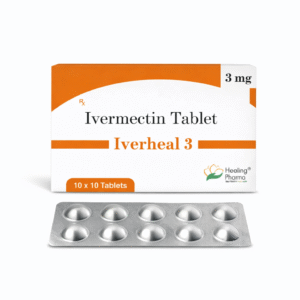
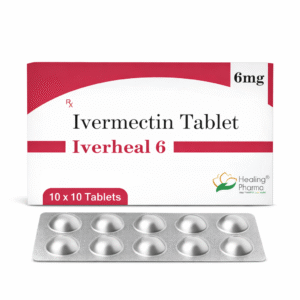
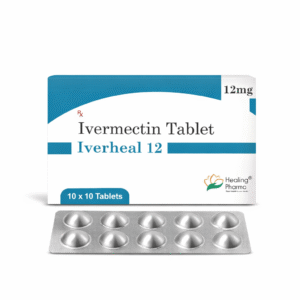
Our ivermectin tablets contain the active ingredient ivermectin and are available in strengths of 3mg, 6mg and 12mg per tablet.
Each strength is prepared to support accurate dosing in line with the prescribed treatment plan and individual clinical requirements.
The appropriate strength should always be selected according to the patient’s condition, treatment instructions and professional medical guidance.
Simple Online Consultation & Treatment Process
Getting started with your treatment online is straightforward—even if you’re running on little sleep. Here’s how the process works:
Quick Online Questionnaire: Start by completing a brief online form. This helps our licensed pharmacists understand your requirements and ensure you get the right support.
Personal Review by Pharmacists: A qualified pharmacist will confidentially assess your answers, making sure the medication is appropriate and safe for your needs.
Fast Dispatch to Your Door: Once approved, your treatment is dispatched from our UK warehouse— securely packaged and delivered discreetly, often as quickly as the next day within nearby areas.
No in-person appointments, no waiting rooms—just a simple, secure experience tailored for busy residents seeking genuine, reliable service.
Why Choose Us?
Over a third of UK adults experience poor sleep. We provide reliable, fast, discreet delivery from a trusted UK supplier.
🛡 Secure Checkout
📦 UK Warehouse
💬 24/7 Support
Our Product
Topical vs Oral Treatments: What’s the Difference?
Both oral tablets like ivermectin and topical creams such as permethrin or Lyclear are used to treat conditions like scabies. The main difference comes down to how each treatment works and the situations they’re best suited for:
Oral Ivermectin Tablets
Taken by mouth, these tablets work from the inside out, circulating throughout your body to target infestations systemically. This makes them a popular choice for people who find applying creams challenging, have widespread symptoms, or need a convenient, no-fuss option.
Topical Creams (Permethrin, Lyclear, etc.)
Applied directly to the skin, these creams act on affected areas and are especially effective for mild to moderate scabies or localised outbreaks. Many people appreciate the targeted action and the fact that creams are easy to use at home.
Choosing the Right Option
Topical creams are usually recommended as a first step, particularly if the affected area is small or it’s your first time needing treatment.
Oral tablets are often advised if creams haven’t worked, for larger or hard-to-reach areas, or for people with recurrent problems.
If you’re uncertain which treatment is most appropriate for your needs, consider discussing your situation with a healthcare professional. Both approaches are well-tested and suitable for most adults, but the best choice depends on your individual circumstances.
How Ivermectin Tablets Support Recovery from Parasitic Infections
Ivermectin tablets provide targeted relief for various parasitic infections by disrupting the life cycle of the parasites themselves. When taken as directed, these tablets work by paralyzing and eliminating certain parasites, including mites responsible for conditions like scabies and organisms that cause infections such as strongyloidiasis. This action helps to quickly relieve uncomfortable symptoms—like itching, rashes, or digestive disturbances—allowing your body to recover and restore balance.
While ivermectin is highly effective at treating the early, more active forms of parasites, it’s important to note that it primarily tackles younger, developing stages rather than mature adult parasites. For many people experiencing persistent symptoms, this targeted approach can bring notable improvements within a short period, making daily life much more manageable.
If you’re unsure whether ivermectin is right for your needs or have questions about its use, always speak with a healthcare professional for personal advice.
Recommended Dosage for Scabies & Strongyloidiasis
Understanding the correct dosage is important for safe and effective treatment. The number of ivermectin tablets you need depends on your body weight. Here’s a simple breakdown to guide. For 3 mg tablets, the general weight guide is:
15 to 24 kg: Take 1 tablet (3mg)
25 to 35 kg: Take 2 tablets (3mg each)
36 to 50 kg: Take 3 tablets (3mg each)
51 to 65 kg: Take 4 tablets (3mg each)
66 to 79 kg: Take 5 tablets (3mg each)
80 kg and above: Take 6 tablets (3mg each)
For scabies, it’s usually recommended to repeat the dose 7 to 15 days after the first, as this targets any newly hatched mites. Always follow your healthcare provider’s instructions for the most appropriate regimen.
What Conditions Are Treated with Ivermectin Tablets?
Ivermectin tablets are widely used to manage several parasitic infections that can affect both the skin and internal organs.
Common conditions treated with ivermectin include:
Persistent itching and rashes caused by scabies (a skin infestation where mites burrow beneath the surface).
Intestinal problems resulting from threadworm (Strongyloides stercoralis), which can lead to abdominal discomfort and digestive issues.
Blood and lymphatic infections such as lymphatic filariasis, often identified by swelling in the extremities due to particular microscopic worms.
Your healthcare provider will determine the right course and dosage depending on your specific needs and medical history.
How Should Ivermectin Tablets Be Taken?
Taking ivermectin exactly as prescribed is important. Here’s what you need to know:
Take on an Empty Stomach: Swallow the tablet whole with a full glass of water. The tablets should be taken on an empty stomach, with no food for at least two hours before or after taking the dose. This is because the effect of food on absorption is not fully known.
Children’s Dosage: For children under 6 years of age, the tablet should be crushed before swallowing. Safety in children weighing less than 15 kg has not been established, so treatment should only follow the prescriber’s advice.
Typical Dosage for Scabies: The usual dose is based on body weight and is given as a single oral dose of 200 micrograms per kilogram.
For common scabies, recovery is usually assessed after 4 weeks. A second dose within 2 weeks should only be considered if new specific lesions appear or if a parasitological examination remains positive.
In heavily infected or crusted scabies, a second dose after 8 to 15 days, sometimes alongside topical treatment, may be needed if advised by a healthcare professional.
Always read the patient information leaflet and follow the prescribed instructions carefully. If you are unsure how to take your medicine, speak to your prescriber or pharmacist.
Who Should Avoid Ivermectin Tablets?
Ivermectin tablets may not be appropriate for all patients.
You should not take ivermectin tablets if you:
Have a known hypersensitivity to ivermectin or to any of the excipients contained in the tablet formulation.
Have previously experienced severe adverse reactions associated with this medicine, including rash, blistering, or ulceration of the mouth.
If you are uncertain whether ivermectin is suitable for you, consult your pharmacist or healthcare professional before ordering. Patient safety should always remain the primary consideration.
Are There Any Serious Side Effects or Reactions to Ivermectin Tablets?
Ivermectin tablets are generally well tolerated; however, it is important to monitor for any adverse effects, particularly during the early stage of treatment.
Common effects such as mild dizziness, nausea, fatigue, or abdominal discomfort may occur and are usually transient. In patients using ivermectin for scabies, pruritus may temporarily worsen before clinical improvement is observed as treatment begins to take effect.
Although uncommon, more serious adverse reactions may occur. Seek immediate medical attention if you experience:
Severe skin rash or blistering
Difficulty breathing, or swelling of the face or throat
Sudden high fever
If you have any underlying medical conditions or are taking other medicines, consult your healthcare professional before starting treatment. Always follow the instructions provided with your medicine and avoid combining ivermectin with alcohol. Seek medical advice promptly if you experience any concerning symptoms during treatment.
What Are the Possible Side Effects of Ivermectin Tablets?
Like all medications, ivermectin may cause some side effects, although not everyone experiences them. Most people tolerate the tablets well and symptoms—if they appear—are generally mild and temporary.
Very Common: If you’re treating scabies, you might notice increased itching at first. This is typically a sign the treatment is beginning to work.
Common Side Effects: Some adults report mild stomach discomfort, loss of appetite, nausea, dizziness, or feeling more tired than usual.
Rare but Serious: If you experience a sudden fever, trouble breathing, or notice severe rashes or blisters on your skin, seek medical attention immediately.
If you’re ever concerned about how you feel after taking ivermectin, consult your doctor or pharmacist. Always follow your healthcare provider's advice and the instructions supplied with your medication.
Why Wait Two Hours to Eat After Taking Ivermectin?
Taking ivermectin on an empty stomach helps your body absorb it properly. Eating too soon—especially within two hours—can change how the medicine works in your system.
To get the best results, it’s recommended to take your dose with water and then wait at least two hours before eating.
This simple step ensures you receive the intended benefits of your treatment and supports a smoother experience.
How to Take Ivermectin: Empty Stomach & Food Guidelines
For best results, Ivermectin tablets should always be taken with water on an empty stomach. This means you should avoid eating for at least two hours before and after taking your dose. Eating around the time you take Ivermectin may interfere with how your body absorbs the medicine, which can affect its effectiveness.
To keep things simple:
Swallow your tablet with a full glass of water.
Wait at least two hours after your last meal before taking it.
Hold off on eating for another two hours after your dose.
These easy steps help ensure Ivermectin works as intended—giving you the support you need, without your meals getting in the way.
Who Can Use Ivermectin Tablets?
Ivermectin tablets are intended for adults, as well as for children who weigh at least 15 kg (just over 2 stone). If you’re considering ivermectin for a child, it’s essential to ensure they meet this minimum weight requirement. Adults of all ages can use ivermectin tablets, provided they follow the recommended guidelines and precautions. Always double-check instructions and seek advice if you’re unsure whether this medication is right for your situation.
When to Speak to Your Doctor Before Taking Ivermectin (
Ivermectin is generally well-tolerated, but certain individuals should consult a healthcare professional before starting treatment.
It’s especially important to reach out to your GP if you:
Are pregnant or currently breastfeeding, as additional guidance may be needed
Have a weakened immune system or ongoing immune-related conditions
Have ever lived in areas where Loa loa infection (African eye-worm) is possible, as extra precautions may apply
Are older, since age and other medications can affect how your body responds
If any of these apply—or if you’re unsure—checking in with your doctor first ensures a safer experience. Always follow any instructions provided in your tablet packaging and don’t hesitate to ask questions about your health.
Why is a second dose of ivermectin needed for scabies treatment? (
A second dose of ivermectin is usually recommended because the initial tablet targets live mites, but not their eggs.
Scabies eggs can hatch after the first treatment, releasing new mites onto the skin.
Taking a follow-up dose—typically 7 to 15 days later—ensures these newly hatched mites are eliminated before they can continue the cycle.
This two-step approach helps ensure a full recovery and greatly reduces the risk of reinfestation.
Still Itching After Ivermectin? What to Expect (
If you’re still experiencing itching after your treatment, don’t panic—this is actually quite common. For many people, the itch can linger for several weeks, even if the underlying issue has resolved. It’s your body’s way of reacting to the treatment and healing.
Here are a few key points to keep in mind:
Itching can continue for up to 6 weeks after taking ivermectin, as your skin recovers from irritation.
This doesn’t mean the treatment hasn’t worked—often, it takes about 4 weeks to know for sure if the medication did its job.
To ease discomfort, avoid scratching and consider using gentle moisturisers or soothing lotions recommended by your pharmacist or GP.
If symptoms persist longer than expected or worsen, consult your healthcare provider for further advice.
Your comfort is important, so keep an eye on your symptoms and don’t hesitate to reach out for support if you’re unsure.
How Should Ivermectin Tablets Be Stored? (
Keep your Ivermectin tablets safely out of reach of children and pets.
Store them in their original blister pack or container, away from direct sunlight and damp environments.
Make sure to keep them at room temperature and never use tablets past the expiry date printed on the packaging.
Proper storage helps preserve the effectiveness and quality of the medication.
Special Instructions for Children
If your child is under 6 years old and weighs at least 15 kg, ivermectin tablets may be easier for them to take if they are crushed first.
Always double-check with your healthcare professional for proper dosing and administration, and be sure to follow the instructions provided in the packaging.
How Long Does Itching Last After Scabies Treatment?
It’s common for itching to stick around even after scabies treatment has done its job. Most people notice that the itching can continue for a few weeks—sometimes up to 4–6 weeks—while the skin recovers and any irritation settles down. This doesn’t mean the treatment hasn’t worked; your skin just needs a little time to heal fully.
If you find the itchiness is lingering longer than expected or gets worse, it’s a good idea to check in with your healthcare provider for guidance.
Should Family Members Without Symptoms Be Treated for Scabies? (
Yes—it's strongly recommended that everyone in your household and any close contacts receive treatment for scabies at the same time, even if they don't have visible symptoms or itching.
Scabies can spread easily before any symptoms develop, and untreated contacts may unintentionally cause the infection to return.
Treating everyone together helps break the cycle and ensures the best chance at getting rid of scabies for good.
If you have questions about who should be treated or how, consult your doctor or pharmacist for further guidance.
What Other Treatments Are Available for Scabies? (
If you're considering alternatives or additional options for managing scabies, here’s a quick overview of some effective treatments commonly used across the UK:
Ivermectin Oral Tablets: A prescription-strength oral medication available in varying doses. Often used when topical treatments aren’t suitable or for widespread cases.
Permethrin Cream (5%): One of the most widely recommended topical solutions. It’s applied directly to the skin to target the mites causing scabies.
Other Topical Creams: There are several other options, including products containing benzyl benzoate or malathion, which can help clear scabies and related conditions such as crab lice.
Most treatments are easy to apply and can be delivered quickly. Always read usage instructions carefully and consult a healthcare professional to ensure the treatment you select is right for you.
How should bedding and clothing be cleaned during scabies treatment?
All bedding, towels, and clothes worn or used in the days leading up to treatment should be washed at your usual temperature on the same day you start treatment.
If you have items that can't go in the wash—like delicate fabrics or things that aren’t machine washable—place them in a sealed plastic bag for at least 3 days to ensure any mites are eliminated.
This helps prevent re-infestation and keeps your home environment safe as you recover.
Other Ingredients in Ivermectin Tablets
Alongside the active ingredient, each Ivermectin tablet includes several excipients designed to aid in absorption and tablet stability. The typical formulation contains:
Microcrystalline cellulose for tablet structure
Pregelatinised maize starch to assist with disintegration
Citric acid for maintaining stability
Butylhydroxyanisole as an antioxidant
Magnesium stearate to ensure smooth tablet compression
These inactive ingredients are commonly found in pharmaceuticals and do not affect the effectiveness of Ivermectin itself.
Do I Need a Prescription for Ivermectin Tablets?
Yes, a prescription is required for ivermectin tablets in the UK.This medicine is classed as a Prescription Only Medicine and should only be supplied when prescribed by an appropriate registered healthcare professional.If you are unsure whether ivermectin tablets are suitable for you, seek advice from your prescriber or pharmacist before treatment.
Customer Reviews

Verified Customer
“Arrived next day! Great service.” – Sam, London
Verified Customer
“Sleeping better than ever.” – Emily, Manchester
Verified Customer
“Quality packaging and fast delivery.” – Chloe, Birmingham
Important Safety Information
- 📌 Use responsibly
- 📌 Avoid mixing with alcohol
- 📌 Not for children
- 📌 Always read usage instructions
Frequently Asked Questions
No, you can place an order without registering an account.
Yes. All items arrive in plain, unmarked packaging.
We dispatch daily — most UK orders arrive in 1–2 days.
Your Trust, Our Priority
 Secured With McAfee
 Data Secured With AWS
 Secure and Fast Delivery
 SSL Certified
 24/7 Service
 Worldwide Shipping
 Original Product
 Lowest Price